Showing posts with label vegetarian. Show all posts

Saturday, September 4, 2010

Use Your Booty: Barley Salad with Burrata

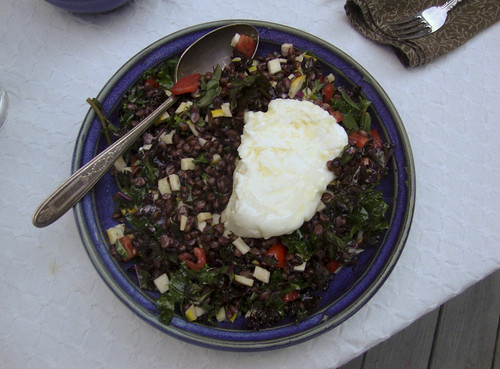
Black Barley Salad

I meant to to get this post up before this holiday weekend started. This salad is a great healthy, vegetarian, colorful side dish that goes well alongside grilled meat. It also improves with age - so you can make it a day or two ahead. I fancied it up with a large chunk of burrata cheese - feel free to omit it if you prefer.

Black Barley Salad with Burrata
Serves about 8-10 as a side dish, makes a generous 4-6 main course servings.
I liked the richness added by the burrata - if you don't have any at hand, fresh mozzarella, goat cheese or ricotta salata would be great. Or go dairy-free and toss on slices of hard-boiled egg.
  • 1 cup uncooked black barley or 4 cups cooked barley (or pearl barley or "regular" barley - this salad would also work with farro or wheatberries)
  • 2-3 small zucchini, diced
  • 2 large tomatoes, diced
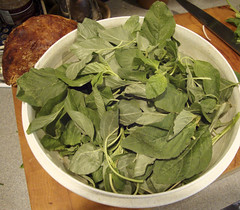
  • 2 handfuls purslane leaves
  • 1 small onion, sliced into thin rounds
  • red wine vinegar
  • olive oil
  • salt and pepper
  • 8 ounces burrata, left whole (preferred) or torn into shreds
Cook the barley, if needed: pick through the uncooked grains to remove any stones or bits of twig or chaff. Place in saucepan and cover with water by two inches and bring to boil. Reduce heat to a simmer, add a healthy pinch of salt and cook until the grains are tender. This will take from 45 minutes to 2 hours, depending on the grain you're cooking and how old it is. Add more water as needed to keep the barley covered.

When the barley is cooked, drain it in a colander and set aside to cool.

Toss half of the cooked barley with the vegetables. Add more barley until you have the vegetable/grain ratio you like. (You may not use all of the barley. Any leftovers can be frozen for future use.)

Sprinkle the salad with red wine vinegar and a healthy glug or two of olive oil. Season to taste with more vinegar and oil and salt and pepper. Top the salad with burrata and serve.

This Summer, I am chronicling my first CSA (Community Supported Agriculture) experience. My CSA share is from Arrowhead Farm, a farm based in Newburyport, MA. Each week, I am posting about what was in my share and what I'm doing with it. By way of full disclosure, I won my share through a raffle and am not paying for it. However, Arrowhead did not know I was entered in the raffle, and I received no special consideration because of this blog. I paid for my livestock share. A full set of all the photos I've taken of this share is here.
Monday, August 16, 2010

Use Your Booty: Quick Pasta Dinner

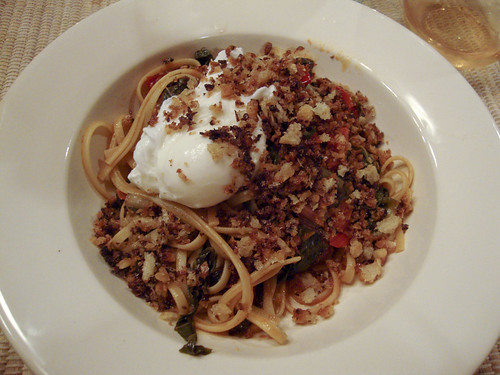
Linguine with Tomato, Chard and Crispy Crumbs

What can I say? I'm a sucker for an egg and some crispy crumbs. If you've been reading this summer's posts, this dish may look a little familiar, but it's a nice go-to for when you don't know what's going on the dinner table. I boil some pasta, make a quick sauce of sautéed vegetables and top the plate with a poached or fried egg and some crispy bits. The crispy crumbs add a nice textural contrast to the plate.

This plate was: linguine and a sauce of bacon, chunks of plum tomato, and shreds of Swiss chard and onion. I drained the pasta (I lifted it out of the pot with tongs), and added it right to the skillet containing the sauce. Then I poached the eggs right in the pasta pot. In the meantime, the crumbs were toasting in the toaster oven with a little olive oil.

Dinner in about 15 minutes!


This Summer, I am chronicling my first CSA (Community Supported Agriculture) experience. My CSA share is from Arrowhead Farm, a farm based in Newburyport, MA. Each week, I am posting about what was in my share and what I'm doing with it. By way of full disclosure, I won my share through a raffle and am not paying for it. However, Arrowhead did not know I was entered in the raffle, and I received no special consideration because of this blog. I paid for my livestock share. A full set of all the photos I've taken of this share is here.

Friday, August 13, 2010

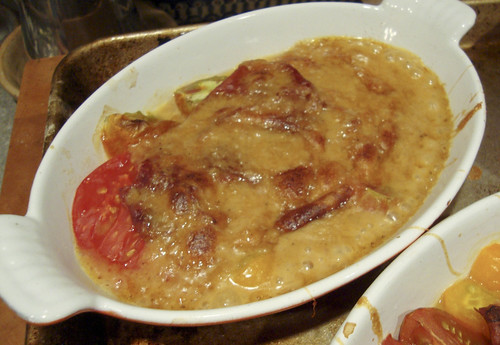
Use Your Booty: Box Car Willie and Friends Rarebit

For the recipe for this delicious bowl of comfort, you're going to have to head over to Food52. This rarebit was an Editor's Pick in the recent heirloom tomato contest. Those of you familiar with rarebit will wonder where the toast is. Just think of the tomatoes as the toast and go happily on your way. I recommend you have some bread on hand to sop up the gorgeous tomatoey-cheesiness that will be in the bottom of the dish.

I used a combination of tomatoes: a big beefy type, a few cherries and a stripy saladette number - no idea of the names of any of them. A note of warning: the tomatoes will be insanely hot when you pull the dish out of the oven. As painful as it will be to wait for them to cool, it will be less painful than the scorched mouth you'll have otherwise.


This Summer, I am chronicling my first CSA (Community Supported Agriculture) experience. My CSA share is from Arrowhead Farm, a farm based in Newburyport, MA. Each week, I am posting about what was in my share and what I'm doing with it. By way of full disclosure, I won my share through a raffle and am not paying for it. However, Arrowhead did not know I was entered in the raffle, and I received no special consideration because of this blog. I paid for my livestock share. A full set of all the photos I've taken of this share is here.
Friday, August 6, 2010

Use Your Booty: Pasta Verde with Tomato Sauce and Burrata


After making that green lasagna on Tuesday I still had some leftover pasta dough. So I wrapped it up and left in the fridge to await future use (or the compost bin). Tonight I made a quick tomato sauce with the remainder of our CSA tomatoes (mostly cherry tomatoes) and decided to roll the rest of the pasta and have it for supper.

As an aside: I got this Kitchen Pasta Rolling dingus for Christmas (thanks Mom!). If you like fresh pasta I can't recommend the purchase (or gifting, if you are so lucky) of of these more highly. A hand cranked machine isn't that hard to use, but this motorized roller makes pasta making so much faster.

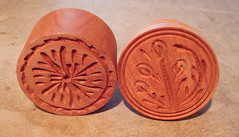
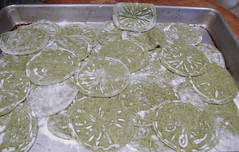
I rolled the pasta and turned it into corzetti (or croxetti), a hand-stamped round pasta from Genoa, Italy. That there is my corzetti stamp, purchased on our trip to Genoa a few years ago. And down there, is a tray of corzetti ready for boiling. For those playing along at home, I rolled my to "6" on the pasta roller - this is a thicker setting (the thinning setting is "8") about what I would use for linguine.

Burrata is a cheese made of mozzarella wrapped around fresh cheese curd. If you can't find it, a few slices of fresh mozzarella and/or a scoop of fresh ricotta would be a satisfactory substitute.

So, no recipe today, just the idea for you:

Make a fresh tomato sauce: I used about 1 pound of tomatoes (coarsely chopped) and 2 cloves of garlic, sautéed together until the tomatoes broke down and got saucy. I didn't seed or skin my tomatoes, but probably should have (the cherry tomatoes seeds and skins were a little tough). Season to taste with salt & pepper.

Boil up some fresh pasta (about 3-4 ounces per person).

Sauce the pasta with the sauce and top the dish with a few slices of burrata.


This Summer, I am chronicling my first CSA (Community Supported Agriculture) experience. My CSA share is from Arrowhead Farm, a farm based in Newburyport, MA. Each week, I am posting about what was in my share and what I'm doing with it. By way of full disclosure, I won my share through a raffle and am not paying for it. However, Arrowhead did not know I was entered in the raffle, and I received no special consideration because of this blog. I paid for my livestock share. A full set of all the photos I've taken of this share is here.
Thursday, August 5, 2010

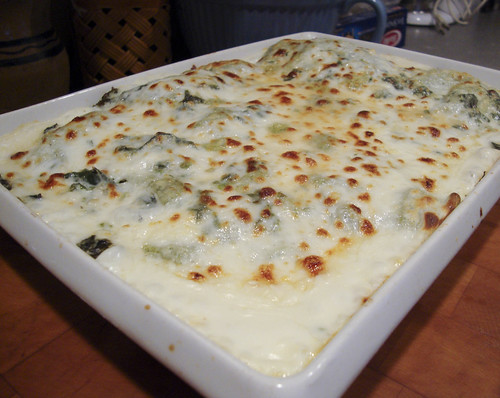
Use Your Booty: Lasagna Verde


I admit it, I had blog envy. I saw this gorgeous post on radicchio lasagna over at AuthorJane's Cooking from the Farms series and got lasagna on the brain. She had gotten her radicchio through one of her CSA memberships. I didn't have radicchio, but have a lot of greens so I decided to use my bunch of amaranth and half of my kale.

I'm going to give this recipe to you in several steps (pasta, filling, bechamel, assembly) because each component can be made ahead and/or used as its own dish. Make sure each component is well-seasoned and delicious on its own before layering it into the lasagna.

This looks like a lot of steps and components, but from start to finish I pulled this dish together in 45 fast-paced minutes (not counting baking time). It would have been even easier had I had a stash of cooked greens in the fridge like I usually do.

Pasta Verde
I made a green pasta for my lasagna. If you don't want to make your own pasta, skip this step and use Barilla No-Boil lasagna noodles.
Makes about 1 pound of pasta
  • 4 cups tender greens (amaranth, spinach, chard leaves, etc.)
  • 2 eggs
  • pinch salt
  • approximately 2 1/4 cups (about 10 ounces) flour
In a saucepan of boiling water, cook the greens until they are tender, about 5 minutes. Drain the greens and run cool water over them to cool them off. Squeeze as much water out of the greens as you can.

Put the greens into the bowl of a food processor with the eggs and salt. Process until the greens are very finely chopped. Add 1 1/2 cups of flour into the processor bowl and process, pulsing, to pull the eggs, greens and flour into a dough. The dough will come up onto the blade of the processor and roll around. Feel the dough and it will likely be sticky, add about 1/4 cup into the bowl and process a little more.

Pull the dough out of the bowl and knead the dough, adding flour as needed to keep the dough from sticking to the countertop. The dough should be soft, smooth and supple. Wrap the dough in plastic and set aside until you're ready to roll it out.

After the dough has rested for 20 minutes, it's ready to roll.

Sautéed Greens
Makes about 3-4 cups of greens
  • olive oil
  • 1 large onion, peeled and thinly sliced
  • 10-12 cups of greens leaves, coarsely chopped (kale, amaranth, chard, spinach, collards, etc.)
  • 3 cloves garlic, minced or pressed
  • 1 tablespoon red wine vinegar
  • salt
In a large skillet, over medium-high heat sauté the onion in olive oil until softened. Add the greens and a pinch of salt to the skillet and continue to cook, stirring and tossing the greens to wilt them down - this will take about 10 minutes. If the skillet seems too dry, add a 1/2 cup of water and keep cooking. After the greens are wilted, add the garlic and vinegar to the pan and sauté for another 5 minutes.

Set aside to let the greens cool.

Bechamel Sauce
Makes 4 cups
  • 4 tablespoons butter
  • 4 tablespoons flour
  • 4 cups milk
  • pinch of nutmeg
  • salt & pepper
Melt the butter in a saucepan over medium heat and then add the flour. Using a heatproof rubber spatula, stir in the flour making sure it's well blended. When the flour has started to turn golden, add a splash of milk. Stir the milk in well with the spatula. Whisk in the rest of the milk in 1 cup increments.

Bring the bechamel to a gentle boil, whisking frequently. Season well with nutmeg, salt and pepper.

Set aside. If making aside, cover the surface of the bechamel with a piece of waxed paper.

Lasagna Verde
Note that I don't pre-boil my fresh pasta noodles in this dish, the pasta stays much softer this way. For more firm pasta layers, parboil the noodles for 1-2 minutes before layering them into the dish.
  • 1 recipe green pasta or 1 pound Barilla no-boil noodles
  • 3-4 cups cooked greens
  • 8 oz mozzarella, shredded (I used the little mozzarella balls called perlini)
  • 3 ounces parmesan cheese
Preheat the oven to 375.

Grease a 9" x 13" baking dish and cover the bottom of the pan with a few spoonfuls of bechamel.

Roll the pasta in a pasta roller (I like to roll as I assemble because it's so much easier to just put the sheets straight into the pan), rolling each new layer of pasta as you need it.

Stack ingredients up in the pan to make three layers in the lasagna. Each layer contains: 1 layer pasta, 1 layer greens, mozzarella, grated parmesan and about 1/2 cup of bechamel. The final and top layer is pasta, bechamel and parmesan. Make sure the entire surface is covered with bechamel.

Cover the dish loosely with foil and bake for 30 minutes, until the sauce is bubbling. Take off the foil and broil the top to brown the cheese.

Let the lasagna sit for 5 minutes before serving.


This Summer, I am chronicling my first CSA (Community Supported Agriculture) experience. My CSA share is from Arrowhead Farm, a farm based in Newburyport, MA. Each week, I am posting about what was in my share and what I'm doing with it. By way of full disclosure, I won my share through a raffle and am not paying for it. However, Arrowhead did not know I was entered in the raffle, and I received no special consideration because of this blog. I paid for my livestock share. A full set of all the photos I've taken of this share is here.

Saturday, July 31, 2010

Use Your Booty: Panzanella con Verdure

No recipe, just an idea for you to play with.

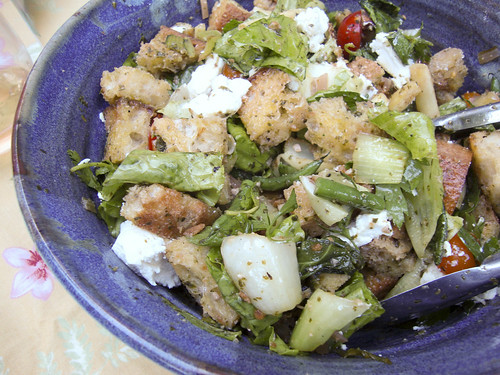
Here's another version of Panzanella. This once had bok choy (sautéed), green beans, tomatoes, lettuce and oat cheese. I made a sherry vinaigrette to dress it and showered it with torn basil.

This Summer, I am chronicling my first CSA (Community Supported Agriculture) experience. My CSA share is from Arrowhead Farm, a farm based in Newburyport, MA. Each week, I am posting about what was in my share and what I'm doing with it. By way of full disclosure, I won my share through a raffle and am not paying for it. However, Arrowhead did not know I was entered in the raffle, and I received no special consideration because of this blog. I paid for my livestock share. A full set of all the photos I've taken of this share is here.

Tuesday, July 20, 2010

Use Your Booty: Easy Vegetable Tart


So here's a savory tart made with the tart dough recipe that I used to make the fruit tart.

I pulled the filling together while Dave made the crust. He's never made any kind of pastry before, and he put the dough together quickly and pressed it into the tart shell.

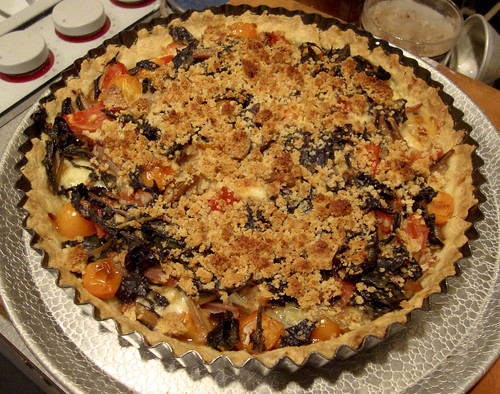
I tossed together some CSA tomatoes, cooked Swiss chard and cubed goat cheese (Middletown Tomme) from West River Creamery. I crumbled a leftover savory shortbread over the top of the tart - next time I think I'll use chopped nuts or shredded parmesan over the top.

So nice to have another quick weeknight recipe on hand. In the time it took to preheat the oven, we made the tart crust and put together the filling. The tart takes about 35-40 minutes to bake, so a really delicious, elegant dinner is on the table in about an hour.

This Summer, I am chronicling my first CSA (Community Supported Agriculture) experience. My CSA share is from Arrowhead Farm, a farm based in Newburyport, MA. Each week, I am posting about what was in my share and what I'm doing with it. By way of full disclosure, I won my share through a raffle and am not paying for it. However, Arrowhead did not know I was entered in the raffle, and I received no special consideration because of this blog. I paid for my livestock share. A full set of all the photos I've taken of this share is here.
Sunday, July 18, 2010

Use Your Booty: Green Bean and Potato Pesto Salad

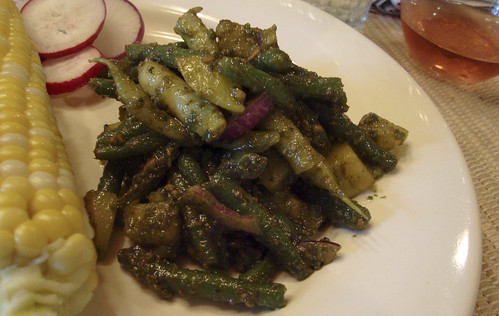
Yesterday was a red-letter day vegetable-wise: our first green beans of the season and the first corn! The corn needed no embellishment other than a gentle enrobing of butter, and I turned the beans into a salad. I had fresh pesto on hand from last week's basil so I prepared a Genoese-inspired potato and green bean salad.

Green Bean and Potato Pesto Salad
Serves 3-4
I didn't have any on hand, but this salad would even better with the addition of a handful of toasted pine nuts or walnuts added in at the end.
  • 4 handfuls green beans, stem ends cut off, beans cut into 2" lengths (I used both green and yellow beans)
  • 3 medium-sized red-skinned or Yukon gold potatoes cut into 1/2" dice
  • 1/4 red onion sliced thin
  • 1/4 - 1/2 cup pesto
  • salt and pepper
  • red wine or sherry vinegar
This is a little fussy, but you really need to cook the beans and potatoes separately to ensure they are cooked properly.

Fill a large bowl with very cold water.

Put a large saucepan of water on the stove and bring it to a boil. Salt the water well (2-3 healthy pinches). Put the beans in the water and boil for 2-3 minutes until they are bright green and tender. Using a slotted spoon or strainer, transfer the beans out of the boiling water and into the bowl of cold water. When cool, transfer the cooked beans to a mixing bowl.

Since I used yellow beans too, I then repeated this step with the yellow beans.

Bring the water back to a boil and then cook the potatoes until tender, about 7-10 minutes. Transfer the potatoes out of the boiling water and into the bowl of cold water. When cool, transfer them to the bowl with the beans.

Add the onions to the beans and potatoes.

Stir in the pesto, adding enough to sauce the vegetables well. Taste and add salt & pepper to taste. If the salad tastes a little flat, add vinegar, a few drops at a time, until the flavor is right for you.


This Summer, I am chronicling my first CSA (Community Supported Agriculture) experience. My CSA share is from Arrowhead Farm, a farm based in Newburyport, MA. Each week, I am posting about what was in my share and what I'm doing with it. By way of full disclosure, I won my share through a raffle and am not paying for it. However, Arrowhead did not know I was entered in the raffle, and I received no special consideration because of this blog. I paid for my livestock share. A full set of all the photos I've taken of this share is here.
Friday, July 2, 2010

Use Your Booty: Torta d'Erbe

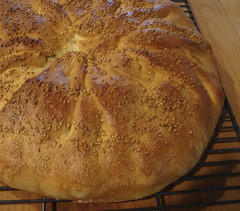
In Italian cuisine, a torta is a pie or tart. This one is a greens pie with a yeasted dough crust. For those of you afraid of pie crust, a yeasted dough might be a nice gateway pastry: you can't overwork the dough like you can with a short crust, the dough provides a firm case for the filling and doesn't get soggy like a pastry crust can.

To make for easy assembly, make the dough when it's convenient for you and after it rises, punch it down and refrigerate until you're ready to assemble the tart. Make your filling ahead as well - a warm filling will make the dough harder to work with. I made my tart in a free-form gallette style with a pleated top but you could easily make your tart in a tart, cake or pie pan if you wish.

Torta d'Erbe
Makes 1 large tart, 6-8 entrée servings
  • 1 recipe yeasted tart dough, below
  • 4-6 cups cooked, chopped greens (I used kale and Swiss chard in this tart)
  • 4 ounces mozzarella, cubed
  • 1 ounce parmesan cheese
  • 1/4 cup chopped pitted Kalamata olives
  • salt and pepper to taste
  • red wine vinegar
  • 2 eggs, beaten
  • 1 egg for egg wash
  • sesame seeds for garnish
Combine the greens, cheeses, and olives. Combine well and taste. Add salt & pepper to taste. If you think the greens need more acidic brightness stir in a few drops of red wine vinegar. When you're happy with the seasoning, stir in the 2 eggs.

On a lightly flour surface, roll the tart dough into a large circle (about 18"), sprinkling with more flour as needed to keep the dough from sticking. Transfer the dough onto a greased baking sheet or into an 11" tart pan.

Evenly spread the filling onto the dough, leaving a 4" margin if you're using a baking sheet and over the entire tart pan if using a tart pan. Lift the dough up and over the filling, pleating the dough to layer it evenly across the top of the tart.

Beat the other egg with a tablespoon of water and brush the egg wash over the tart. Sprinkle the tart with sesame seeds.

Bake at 375 for 30-40 minutes until the crust is well browned. Check the underside of the tart - if it's not browned well, bake the tart for another 10 minutes or so. Serve warm or at room temperature.

Yeasted Tart Dough
Makes enough for one large tart
  • 2 teaspoons active dry yeast
  • 1/2 teaspoon sugar
  • 1 cup room temperature water
  • 1 egg, beaten
  • 1/2 teaspoon salt
  • 13.5 - 18 ounces (3-4 cups) flour
  • 3 ounces butter, at room temperature OR 1/3 cup olive oil (I like the butter version best)
Stir together the yeast, sugar and water. When the yeast is dissolved in to the water, stir in the salt, egg and half the flour. Stir well to form a stiff paste (use a mixer with paddle attachment if you wish). Stir in the butter (the dough will soften back up). Keep adding more flour until the dough is dough-like.

Turn the dough out onto the counter and knead, adding more flour as needed to keep it from sticking. Knead until the dough is tender, shiny and smooth, about 10 minutes of contemplative kneading. It shouldn't be sticky. Transfer dough to an oiled bowl and cover bowl with plastic wrap

Let dough rise for about 1 hour, until doubled. Form tart as above, or if you aren't ready to make the tart, press the dough down to deflate it, recover and put the dough in the fridge until you're ready to make the tart.

You can freeze the dough for a week or so: put the dough into a ziploc bag, press out the air and freeze. Let thaw in a cool place for 6-8 hours.

This Summer, I am chronicling my first CSA (Community Supported Agriculture) experience. My CSA share is from Arrowhead Farm, a farm based in Newburyport, MA. Each week, I am posting about what was in my share and what I'm doing with it. By way of full disclosure, I won my share through a raffle and am not paying for it. However, Arrowhead did not know I was entered in the raffle, and I received no special consideration because of this blog. I paid for my livestock share. A full set of all the photos I've taken of this share is here.
Thursday, July 1, 2010

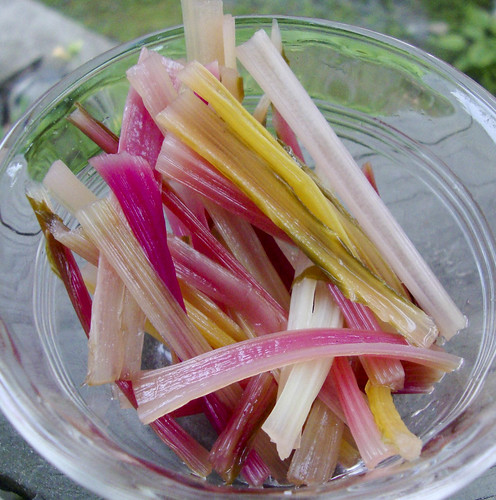
Use Your Booty: Pickled Swiss Chard Stems

Did you know that Swiss chard is two vegetables in one? You're probably very comfortable using the leafy part of the green, but if you're throwing the stems away, you're losing a major part of this vegetable.

I use the stems in soups or quiches. Treat the stems like celery when cooking them - they benefit from a little extra time in the sauté pan and should be cut the short way into thin slices, to reduce stringiness.

I recently found this recipe for pickled chard stems on the NY Times T magazine blog. I'm not generally a fan of sweet pickles (à la bread and butter pickles), but these are just super. Even better, they're ready to eat in a hour or so.

Pickled Chard Stems
Adapted from a recipe by Peter Meehan and the chefs at Gramercy Tavern
Yields about 1 pint
  • The stems from 1 bunch of Swiss chard
  • 1 thyme sprig
  • 2/3 cup sugar
  • 2/3 cup water
  • 2 cups rice wine vinegar
  • 2 tablespoons kosher salt
  • pinch each of fennel seed, peppercorns, mustard seed
  • couple slices of beet
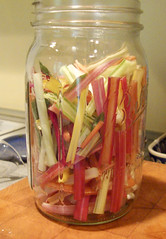
Cut the chard stems into even lengths, cutting any really thick stems in half lengthwise as well. Put the stems and the thyme sprig into a heat safe jar that just holds the stems (I used a quart canning jar, but should have used a pint jar).

Bring the water, sugar, salt, spices and beet to a boil. Reduce heat and simmer for 5 minutes. Strain the hot brine into the canning jar: it should cover the stems completely. If not, boil up a little more.

Let the pickles cool and then refrigerate.

This Summer, I am chronicling my first CSA (Community Supported Agriculture) experience. My CSA share is from Arrowhead Farm, a farm based in Newburyport, MA. Each week, I am posting about what was in my share and what I'm doing with it. By way of full disclosure, I won my share through a raffle and am not paying for it. However, Arrowhead did not know I was entered in the raffle, and I received no special consideration because of this blog. I paid for my livestock share. A full set of all the photos I've taken of this share is here.
Use Your Booty: Sri Lankan Greens


With all the green, leafy bounty I've been getting from my CSA, I'm surprised it's taken this long to get this recipe onto our table and into this blog. The recipe comes from Madhur Jaffrey's World Vegetarian, which, by the way, is a great resource for recipes for vegetables that are new to you.

I used amaranth in this version, but you could use cabbage, KALE, chard, KALE, mustard, KALE, spinach - you get the point. The coconut is a nice touch: don't be fearful that your dish will taste like a pina colada, there's just a wee bit.

We enjoyed these greens on a plate (that's them in the top of the picture) with some curried cauliflower, a radish pickle some seriously hot hot sauce and basmati rice.

Sri Lankan Greens
Serves 4
  • olive oil
  • 1 onion, sliced into thin rings
  • 1 jalapeno, sliced into thin rings (for lots of heat) or just slit lengthwise (for a wee bit of heat)
  • 1-2 bunches of greens, leaves stripped from stems and cut into thin strips - enough to yield about 8 cups of greens
  • 1/2 teaspoon salt
  • 1/4 teaspoon turmeric
  • 2-3 tablespoons shredded coconut (I have used unsweetened coconut from the health food store and sweetened flake coconut from the supermarket - both work fine, you can also use fresh coconut if you have it)
Saute the onion and pepper in a large skillet over medium-high heat until the onion starts to brown - about 5 minutes.

Add the greens, salt and turmeric and stir. Let the greens start to wilt down. If the greens appear too dry add a little water to the pan. Cover and turn the heat to low.

Braise the greens for 10 - 20 minutes (softer greens like spinach will be tender sooner than tougher greens like kale).

When the greens are tender, stir in the coconut - taste for salt and adjust seasoning to taste.

This Summer, I am chronicling my first CSA (Community Supported Agriculture) experience. My CSA share is from Arrowhead Farm, a farm based in Newburyport, MA. Each week, I am posting about what was in my share and what I'm doing with it. By way of full disclosure, I won my share through a raffle and am not paying for it. However, Arrowhead did not know I was entered in the raffle, and I received no special consideration because of this blog. I paid for my livestock share. A full set of all the photos I've taken of this share is here.
Wednesday, June 30, 2010

Use Your Booty: Beet Carpaccio


This is one of the recipes (barely a recipe) that is great for summer - it's super fast, easily adaptable and is a nice, cooling addition to a meal. Carpaccio is traditionally a dish of very thinly sliced or pounded beef, garnished with olive oil, onion and capers. It's been adapted in recent years, to be a dish of thinly sliced something (scallops, zucchini, seared lamb, etc.).

Fresh beets are a great ingredient to highlight in this way. I thinly sliced two types of beet: Chioggia (those are the bullseye ones) and red beets. I laid the slices [in a somewhat slapdash manner, I'll admit] onto a plate with some thin slices of baby onion, drizzled them with chive vinegar, olive oil, salt & pepper and a few onion flowers.

That's it. I like to dress the vegetable carpaccio dishes a few minutes before we eat them, so the vegetables can soften up a little in the oil and vinegar.

This Summer, I am chronicling my first CSA (Community Supported Agriculture) experience. My CSA share is from Arrowhead Farm, a farm based in Newburyport, MA. Each week, I am posting about what was in my share and what I'm doing with it. By way of full disclosure, I won my share through a raffle and am not paying for it. However, Arrowhead did not know I was entered in the raffle, and I received no special consideration because of this blog. I paid for my livestock share.

Friday, June 25, 2010

Use Your Booty: Chickpea, Kale & Butternut Squash with Tahini Dressing

Ah kale, I do love it, but it certainly seems like kale and I are going to have to become good friends for me to survive this CSA. Fortunately, that's not really hard to do: First, my CSA is growing nine types of kale this season. Second, kale is pretty versatile - it can be used in so many different ways: bruschetta, a hearty soup, pesto, etc.

This salad's original recipe did not include kale, but since it's such a natural partner to chickpeas and butternut squash, I thought everyone would play nice together. The tahini dressing is nice on its own over roasted vegetables, lamb burgers, or as a dip for vegetables.

Chickpea, Kale and Butternut Squash Salad with Tahini Dressing
Serves 2-3 as an entrée salad, more as a side.
The original recipe, from Moro Restaurant, is here on Orangette, Molly Wizenberg's lovely blog. The recipe is super adaptable: make it work with what you have in the fridge. If you have leftover cooked squash or sweet potatoes, this is a great way to use it.

Enjoy this salad warm, as we did, or cold. If you're going to have it cold, add the dressing right before serving.
  • olive oil
  • 2 cups of cubed butternut squash or sweet potatoes
  • 1 bunch kale, stripped off stiff stems and cut into bite-sized pieces or thin strips
  • 2 cups cooked chickpeas (1 15 oz. can chickpeas, drained and rinsed)
Dressing
  • 1 garlic clove, pressed or minced
  • 3 tablespoons tahini (sesame paste)
  • 3 tablespoons lemon juice
  • 2 tablespoons water
  • 2-4 tablespoons olive oil
  • salt and pepper
Sauté the squash with a little olive oil in a large skillet over medium-high heat. Cook until the squash is tender. Add the kale to the pan and sauté until wilted, adding a little water to help it steam through. Cook until kale is wilted down, about 5-7 minutes. Add the chickpeas to the pan. Season with salt and pepper to taste.

Make the dressing: Whisk together all the dressing ingredients except the oil and salt & pepper. Whisk until the dressing looks smooth and creamy. Add a little water if it seems too thick. Whisk in the smaller amount of olive oil. Taste the dressing: if it's too sour add more olive oil. Taste again and adjust salt and pepper to your liking. Whisk in a few drops of water if it still seems too thick; it should the consistency of heavy cream.

Divide the salad among plates and drizzle with dressing.

This Summer, I am chronicling my first CSA (Community Supported Agriculture) experience. My CSA share is from Arrowhead Farm, a farm based in Newburyport, MA. Each week, I am posting about what was in my share and what I'm doing with it. By way of full disclosure, I won my share through a raffle and am not paying for it. However, Arrowhead did not know I was entered in the raffle, and I received no special consideration because of this blog. I paid for my livestock share. A full set of all the photos I've taken of this share is here.

Monday, June 21, 2010

Use Your Booty: Grilled Romaine


Here's another public service post to help you use up your bountiful basket of lettuce. Did you know you can grill lettuce? Romaine is your best bet for grilling - the floppy looseleaf lettuces just get soggy and well, floppier. Use those in
lettuce soup or salads.

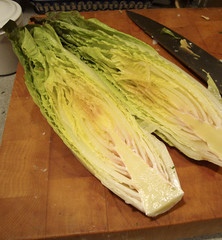
The method is easy. If your romaine head is really large (too much for you and your dining partners to consume in one sitting), peel off the outer leaves, reserving them for salads or sandwiches or some such thing. Then cut the head in half through the core. If the head is large, cut it into quarters.

Drizzle the cut sides of the lettuce with olive oil or a vinaigrette of your choice. Grill, cut side down, over medium-high heat. When the lettuce has grill marks and is gently charred on the edges, it's done. This will take about 3-5 minutes depending on the heat of your grill, the amount of oil you use and the size of the lettuce heads.

Before serving, drizzle the lettuces with a little vinaigrette or just drizzle with olive oil, sprinkle with salt and squeeze lemon over the top.

This is a great side dish for grilled dishes. We enjoy it with grilled meat or seafood and a grain salad on the side.

This Summer, I am chronicling my first CSA (Community Supported Agriculture) experience. My CSA share is from Arrowhead Farm, a farm based in Newburyport, MA. Each week, I am posting about what was in my share and what I'm doing with it. By way of full disclosure, I won my share through a raffle and am not paying for it. However, Arrowhead did not know I was entered in the raffle, and I received no special consideration because of this blog. I paid for my livestock share. A full set of all the photos I've taken of this share is here.
Thursday, June 17, 2010

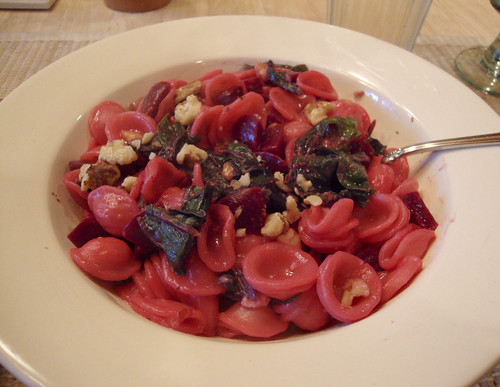
Use Your Booty: The Big Pink Pasta

There's a restaurant near my mom's house in New Jersey called The Big Pink Pasta. I am certain that this dish has never been on their menu. The orecchiette turns this gorgeous lurid pink from the cooked beets. I wanted to put pine nuts on this dish, but ended up using walnuts because my brand new very expensive bag of pine nuts was rancid. Gak.

Orecchiette with Beets
Serves 3-4
When I have nice fresh bunch of beets handy I like to use both the beetroot and the greens in same dish if I can. If you don't have beet greens, use spinach or Swiss chard. I use this method to cook my beets. I cut them into small cubes before cooking.
  • 12 oz orecchiette pasta (shells make a good substitute)
  • 6-8 cups beet greens, cut into strips
  • 2 cups cooked, cubed beets
  • 4 oz feta cheese
  • olive oil
  • 1/2 cup toasted walnuts (or pine nuts)
Boil the pasta in salted water. Put the cooked beets into a colander in the sink.

When the pasta is almost done, use a coffee mug to scoop out some of the starchy pasta water. Drop in the beet greens and they'll wilt down. Strain the pasta and greens into the colander (over the beet cubes - see you heat them up this way. Clever, ya?)

Dump the pasta and beets back into the cooking pot. Stir in the feta cheese and drizzle a little oil in to the pasta. Add a little cooking water and stir gently. If the pasta seems too dry add a little more water. Sprinkle in most of the nuts, reserving a few for garnish.

Taste for salt and pepper and adjust the seasoning to your taste. Spoon the pasta into soup plates and sprinkle the remaining nuts over the top.

This Summer, I am chronicling my first CSA (Community Supported Agriculture) experience. My CSA share is from Arrowhead Farm, a farm based in Newburyport, MA. Each week, I am posting about what was in my share and what I'm doing with it. By way of full disclosure, I won my share through a raffle and am not paying for it. However, Arrowhead did not know I was entered in the raffle, and I received no special consideration because of this blog. I paid for my livestock share.

Wednesday, June 16, 2010

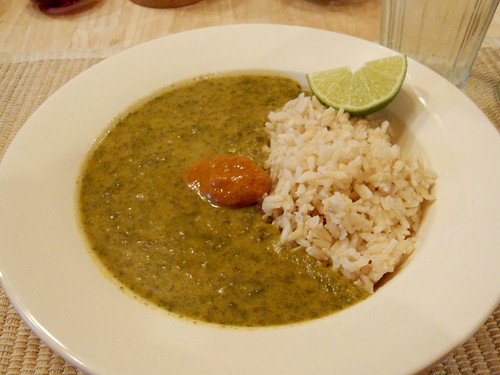
Use Your Booty: [Far From Authentic] Callaloo

I'm slapping all my disclaimers up at the front of this post. I'm sure that if you have ever eaten callaloo, a Trinidadian/Jamaican/Caribbean stew of amaranth leaves you will tell me that my version is just wrong. And I'm sure you are right. I used several recipes I found online as guidelines for this soup and then just threw them all aside and put this together.

Callaloo is also another name for the amaranth plant, so don't get confused when you're poking around online or in your Caribbean cookery books. Amaranth is also a grain - it's the seeds of the plant. Amaranth (the grain) is a really nice side dish and you should seek it out in your local health food store.

Introductions and disclaimers aside, this soup was yummy, regardless of what it's called. If you don't have amaranth greens at hand, baby spinach or chard would be a good substitute.

[Not Quite] Callaloo
Serves 4 to 6, as a main dish if served with rice, as a starter if served solo
  • olive oil
  • 2 onions, chopped
  • 2-3 cloves garlic, pressed or minced
  • 2 sweet potatoes (about 1 pound) or the same amount of butternut squash, cut into small cubes
  • 1 large bunch amaranth greens, about 1 pound - enough to yield 10-12 cups loosely packed leaves, leaves stripped from the stems
  • 1 can (15 oz) coconut milk (NOT light coconut milk)
  • 1 habanero pepper or 1-2 tablespoons of Caribbean-style hot sauce
  • 2-3 sprigs thyme

Sauté the onions over medium-high hear with a little olive oil in a small soup pot or large saucepan until the onion is softened and starting to brown. Add the garlic and continue to sauté for a minute or so, until fragrant.

Add the sweet potatoes and greens to the pot. Pour over the coconut milk and 2 coconut milk cans of water. As the soup starts to simmer, stir the greens into the liquid, add the habanero pepper or hot sauce. Simmer the soup until the sweet potatoes are soft.

Remove the thyme sprigs and habanero (if using). Use an immersion blender to break up the greens and sweet potatoes - don't aim for a smooth purée, leave things a little chunky.

Check for salt and pepper (you'll need fair amount of salt, but add a little at a time to ensure you don't oversalt).

Serve over rice with a few wedges of lime and some hot sauce for folks who like things spicy!

This Summer, I am chronicling my first CSA (Community Supported Agriculture) experience. My CSA share is from Arrowhead Farm, a farm based in Newburyport, MA. Each week, I am posting about what was in my share and what I'm doing with it. By way of full disclosure, I won my share through a raffle and am not paying for it. However, Arrowhead did not know I was entered in the raffle, and I received no special consideration because of this blog. I paid for my livestock share.

Friday, June 11, 2010

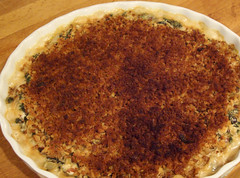
Use Your Booty: Swiss Chard Gratin

Menu and meal planning is a great habit to develop. There's something very freeing about knowing what's being made for dinner; it take a lot of pressure off. That said, there are nights when I don't want to be handcuffed to my menu plan. So I always give myself permission to cheat and go of plan.

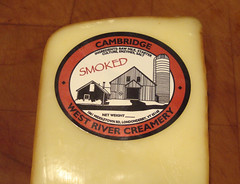
The other night's plan was for an Indian-inspired dinner of chard and chickpeas, rice and chutneys. The night was drizzly and cold and I wanted us to have something creamy and decadent. I put the call out on Twitter for ideas for a decadent and luxe Swiss chard option. In less than 10 minutes, I had enough inspiration to pull together this meal. I had a block of smoked cheddar cheese from West River Creamery and it was a great addition, not too smoky and just rich and creamy enough.

Swiss Chard Gratin
Serves 2-3 as an entrée, 4-6 as a side dish.
We ate this gratin as a main course, but it would make a great side dish. For a lighter option, use chicken or vegetable broth for some or all of the milk and/or cream.
  • 1 large bunch Swiss chard, leaves cut off the stems, stems reserved
  • 1 small onion, chopped
  • 2 tablespoons butter
  • 1 tablespoon flour
  • 1 cup of milk
  • 1/2 cup cream (or use milk)
  • 1/2 cup cheese or your choice, grated (I used parmesan and smoked cheddar)
  • 1/2 cup breadcrumbs (panko or fresh homemade - don't use the fine ones you buy in tubes at the supermarket)
  • olive oil
Preheat your oven to 350 degrees.

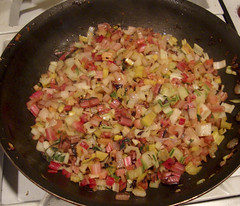
Cut the chard leaves into bite-sized pieces. Chop the stems crosswise into 1/2" pieces. Over medium-high heat, sauté the stems and the onion in a little olive oil in a skillet. when the stems and onion have softened, about 8-10 minutes, add the chard leaves and continue to sauté, stirring occasionally, until the chard leaves are wilted and soft. Set aside.

Make a white sauce: Melt the butter in a small saucepan, and stir in the flour. Cook, over medium heat, stirring for a minute or so, until the roux starts to color - it should turn light tan. Splash in about 1/4 cup of milk, stirring to smooth the sauce out. Add the rest of the milk and the cream, stirring after each addition to smooth out the sauce.

Bring sauce to a simmer and let simmer until the sauce is the consistency of light cream. Taste for seasoning and add salt and pepper to taste. (Hold back a little on the salt as you'll be adding salty cheese.)

Stir the white sauce into the cooked chard. Stir in the cheese. Taste for seasoning again, adding salt and pepper as needed. Pour the chard mixture into a gratin dish (I used a 9" gratin dish).

In a skillet, toast the breadcrumbs in a little olive oil until just browned. Top the gratin with the toasted crumbs.

Heat the gratin the oven until bubbling, about 20 minutes.

Enjoy!

This Summer, I am chronicling my first CSA (Community Supported Agriculture) experience. My CSA share is from Arrowhead Farm, a farm based in Newburyport, MA. Each week, I am posting about what was in my share and what I'm doing with it. By way of full disclosure, I won my share through a raffle and am not paying for it. However, Arrowhead did not know I was entered in the raffle, and I received no special consideration because of this blog.

Tuesday, June 8, 2010

Use Your Booty: Kale Pesto

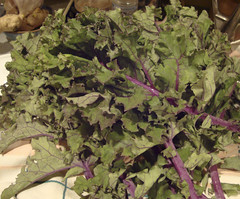
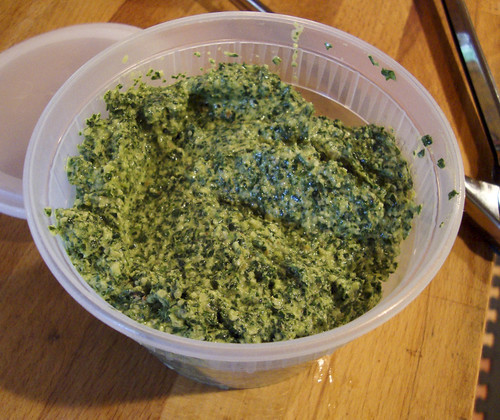
This week's CSA pickup included a smallish bunch of kale. I knew when it cooked down it wouldn't be enough for side dish on its own and I already had soup on the menu. So I thought a pesto would be nice thing to try. I found a few kale pesto recipes on the internet and most of them asked for the kale to be boiled for 10 minutes or so to soften and tame it. That seemed like overkill to me so I decided to just do a quick blanch with a boiling water rinse instead.

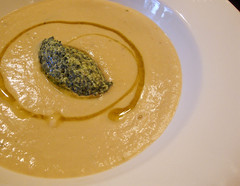
So, this picture above doesn't really really do this pesto justice. You can eat it on crostini, stir it into pasta (with a few spoonfuls of pasta cooking water) or a fritatta or use it as a sandwich spread or dip (thinned with some yogurt perhaps). Or you can use it in a totally swellegant presentation like that one, over there ---> and dazzle your friends and family.

Kale Pesto
Yields about 1 1/2 cups
You can use other nuts (I think pistachios would be great), but I liked the flavor of the walnuts against the kale. I didn't add any cheese to mine, but if you wanted to enrich this pesto with it, I would add a few tablespoons of grated pecorino romano.

This would probably work with collards too, but I wouldn't use chard or spinach - the leaves are too soft for this treatment.
  • 1 small bunch kale (to yield 4-6 cups loosely packed leaves)
  • 1 clove garlic
  • handful of walnuts (about 1/4 cup)
  • salt and pepper
  • red wine vinegar or lemon juice
  • olive oil
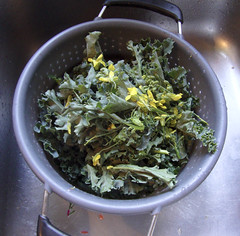
Strip the leaves from the kale stems and them in a colander or large strainer (if the leaves are large you can tear them into smaller pieces so they fit into the colander). Bring a quart of water to a boil. Pour the water over the kale leaves.
You'll see their color turn nice and bright and their volume will diminish a lot.

Press the kale to make sure it's not super soggy - a little moisture is okay. Put the kale into your food processor with the garlic and walnuts (leave out the cheese if you're using any). Pulse to form a paste - you might need to add a little water back in to keep things moving.

When the pesto looks nice and pesto-ish taste it and add salt, pepper and vinegar to taste. You can also add cheese now if you're using any. Give the pesto a glug of olive oil to enrich it a little. Pulse and taste again - the pesto will probably need more salt and acid than you might think.

This Summer, I am chronicling my first CSA (Community Supported Agriculture) experience. My CSA share is from Arrowhead Farm, a farm based in Newburyport, MA. Each week, I am posting about what was in my share and what I'm doing with it. By way of full disclosure, I won my share through a raffle and am not paying for it. However, Arrowhead did not know I was entered in the raffle, and I received no special consideration because of this blog.

Friday, June 4, 2010

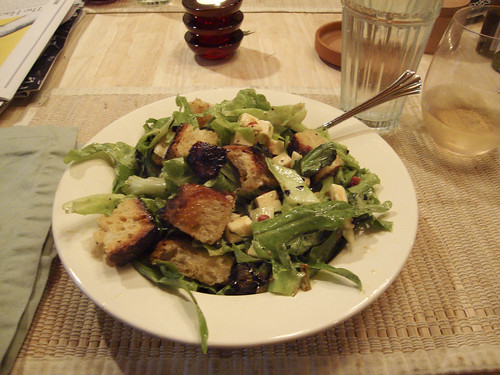
Use Your Booty: Panzanella Verde


Panzanella means "little swamp". Most traditionally it's made with tomatoes and fresh mid-summer vegetables (like this one I made a few years ago), but it's nice to play with that tradition and use spring vegetables to make a green version.

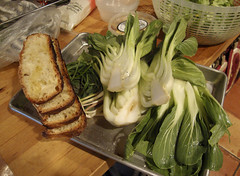
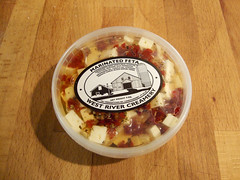
This time I used a large portion of lettuces, boy choy, baby shallots and marinated feta from West River Creamery. I made a lemon dressing (heavy on the mustard) and used some thick slices of no-knead bread.

Last Tuesday's Panzanella Verde
2-3 generous servings (two of us ate all of this in one sitting)
  • 3-4 thick slices of hearty bread
  • 2 heads bok choy, cut in half lengthwise
  • 1 bunch baby shallots or 1 bunch scallions
  • 4 cups torn lettuce leaves
  • 2 ounces cheese, cubed or shredded
  • handful of herbs: parsley, basil, thyme, chives, chive blossoms, etc.
  • 1/4 - 1/2 cup salad dressing of your choice
Heat the grill. Drizzle the bok choy, shallots and bread with a little olive oil. Grill the vegetables until they are charred and just starting to soften. Grill the bread on both sides until it is browned to your taste (I like mine pretty toasty).

Cut the shallots and bok choy into bite-sized pieces. Cut the bread in to large croutons. Toss the bread, vegetables, lettuce, herbs and cheese together. Drizzle with dressing and toss to combine. Use a generous amount of dressing - you want to moisten the bread cubes with it.

This Summer, I am chronicling my first CSA (Community Supported Agriculture) experience. My CSA share is from Arrowhead Farm, a farm based in Newburyport, MA. Each week, I am posting about what was in my share and what I'm doing with it. By way of full disclosure, I won my share through a raffle and am not paying for it. However, Arrowhead did not know I was entered in the raffle, and I received no special consideration because of this blog.
Blog Widget by LinkWithin